When Does Baby Outgrow Bassinet? 5 Clear Signs to Watch For

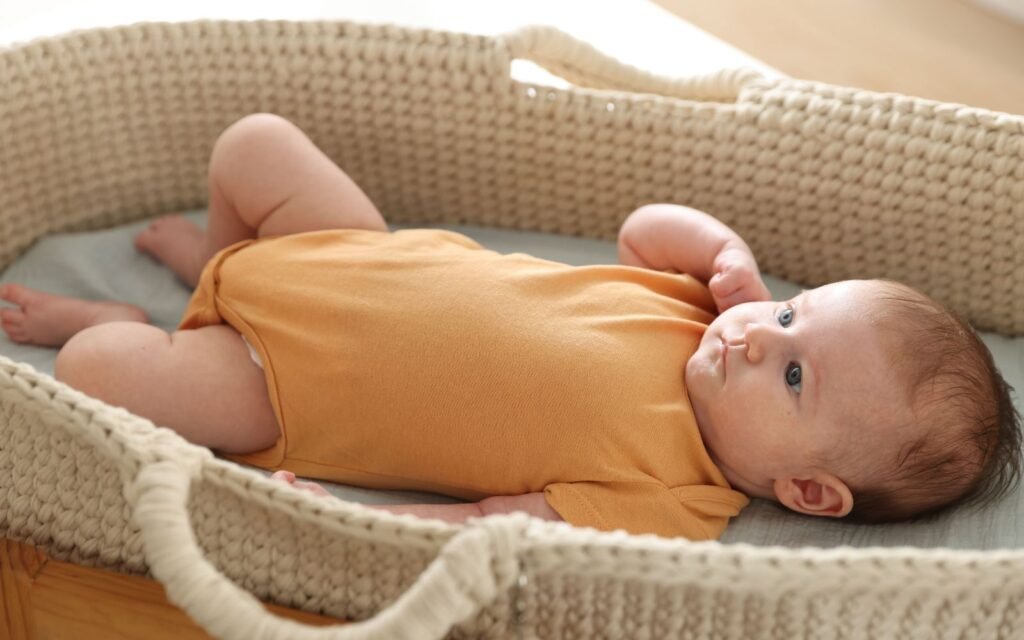
When Does Baby Outgrow Bassinet? It is one of the most common questions new parents ask as their little one grows. There is something special about watching your newborn sleep peacefully in a cozy bassinet, but babies develop quickly. Before you know it, that once-spacious sleeping area may start to feel a little too small.
There is something magical about watching your newborn sleep peacefully in their cozy bassinet. But babies grow fast -sometimes faster than new parents expect. One day, you look over, and suddenly that little bassinet does not look quite big enough anymore.
So how do you know when it is time to move on? Most parents are not sure exactly when the right moment is, and that uncertainty is completely normal. The good news is that your baby will give you clear signals when the bassinet has run its course.
In this guide, you will learn exactly when babies typically outgrow their bassinet, the five most telling signs to look for, and what to do next to keep your little one sleeping safely and soundly. By understanding these milestones, you can help your baby continue sleeping comfortably and securely.
How Long Can a Baby Sleep in a Bassinet?
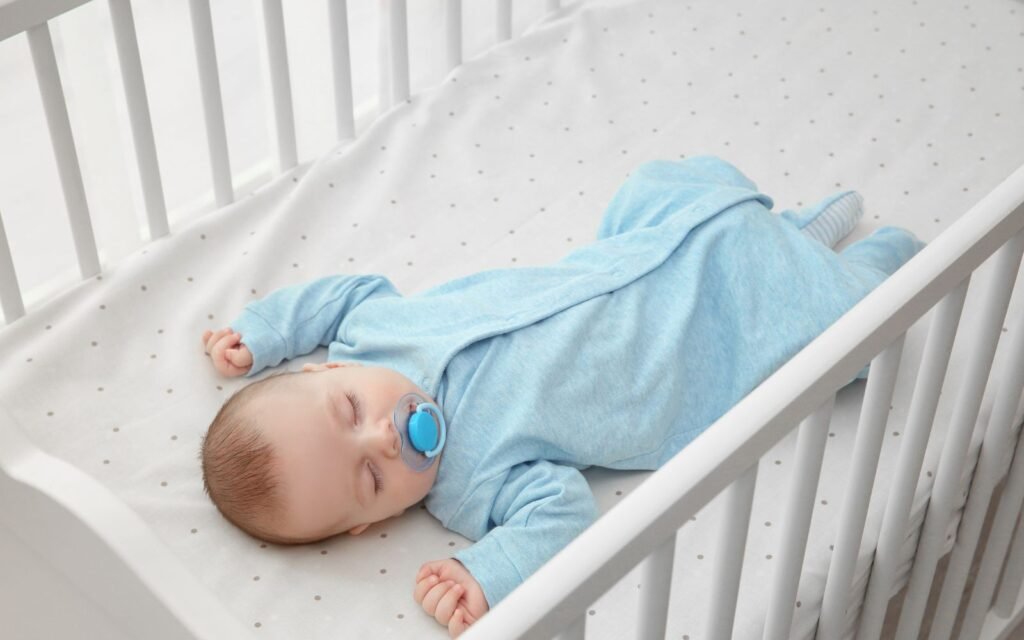
Most babies use a bassinet for the first three to six months of life. However, the exact timeline depends on your baby’s size and how quickly they develop.
Bassinets are designed for newborns and young infants. Most models have a weight limit between 15 and 20 pounds, though some go up to 25 pounds. Always check the specific weight limit listed by your bassinet’s manufacturer -that number matters more than age alone.
Development matters just as much as age. A baby who starts rolling or pushing up early may need to move out of the bassinet sooner than a baby who reaches those milestones a little later. When your baby outgrows the bassinet, it depends on both factors together.
5 Signs Your Baby Has Outgrown the Bassinet
Not sure whether it is time to make the switch? Watch for these five clear signs. If your baby is showing even two or three of them, it is probably time to start transitioning.
1. They Are Approaching the Weight Limit
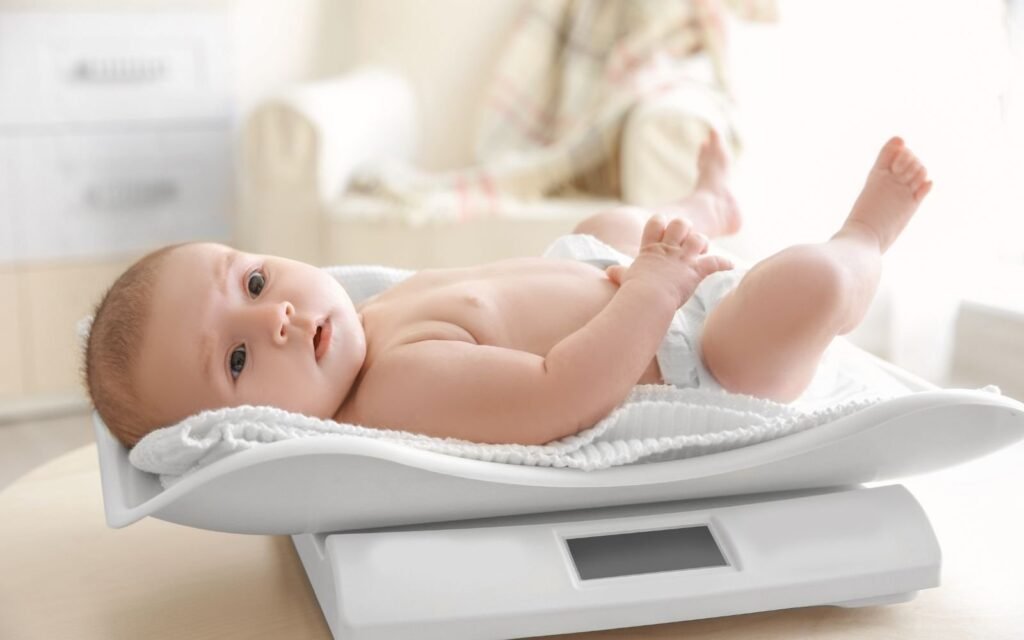
The most straightforward sign is weight. If your baby is getting close to the bassinet’s maximum weight limit, it is time to make the switch. Using a bassinet past this point is a safety risk you do not want to take.
Check the label or manual that came with your bassinet. If your baby is within a pound or two of that limit, start planning the transition right now — not next week.
2. Their Body Is Running Out of Room
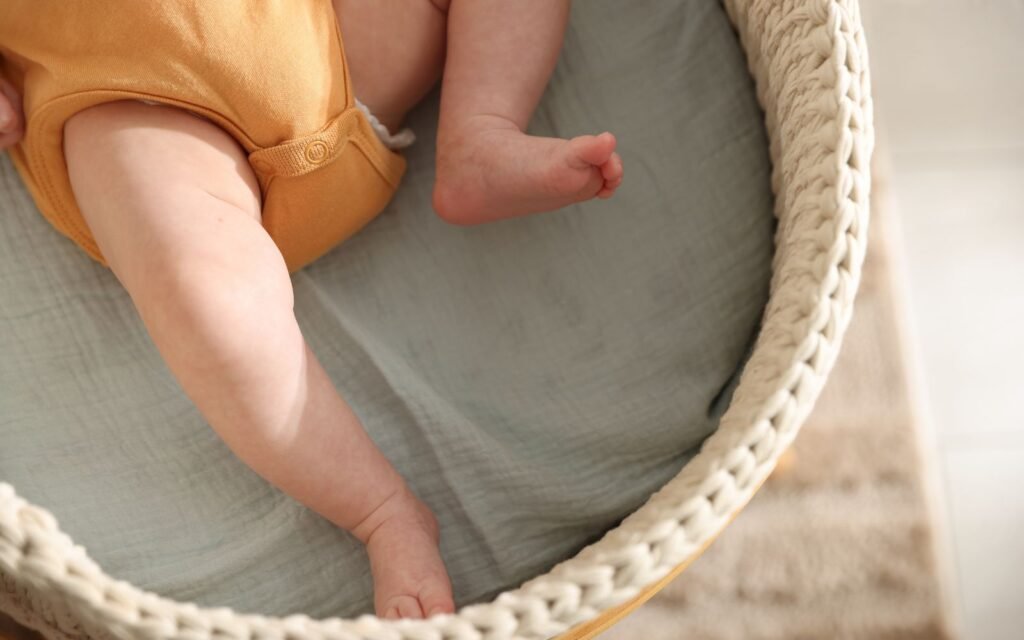
Take a look at how your baby fits inside the bassinet. Is there still comfortable space around them, or are their head and feet starting to brush the sides?
A baby who looks crowded or scrunched is telling you the bassinet no longer fits them properly. Babies need a little room to move safely, even while they sleep. If the space looks tight, it is time to upgrade.
3. They Are Starting to Roll Over
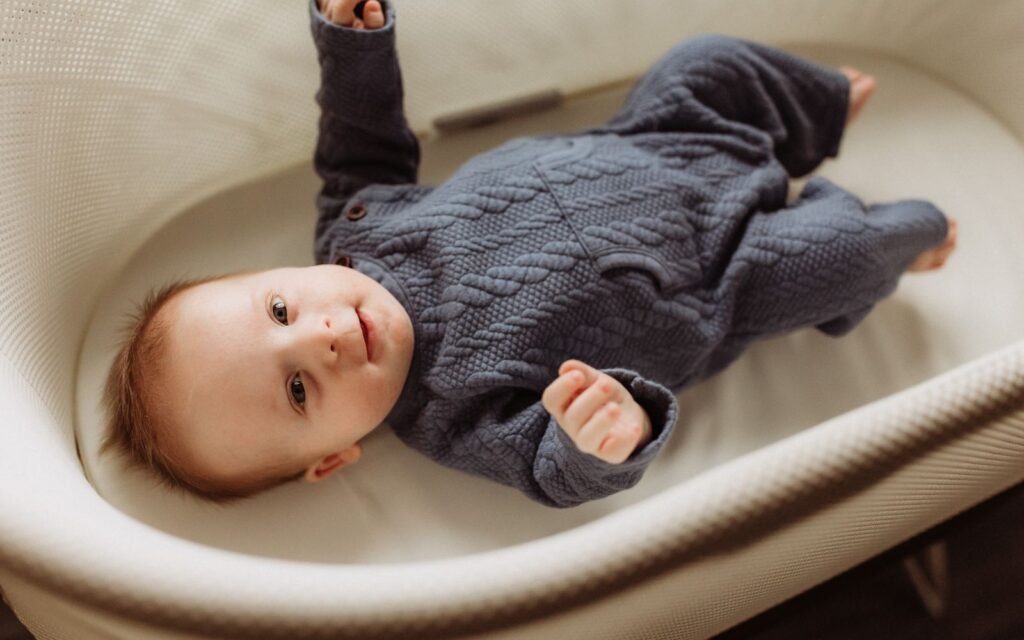
This is one of the most important safety signals of all. Once your baby begins rolling — or even showing signs that they might soon — the bassinet is no longer a safe sleep space.
Bassinets have low, shallow sides compared to a full-size crib. A baby who can roll has the strength to push themselves into a position that could put them at risk in such a small, confined space. If you notice any rolling during tummy time or play, act quickly and move them to a safer sleep setup.
4. They Are Waking Up More Than Usual
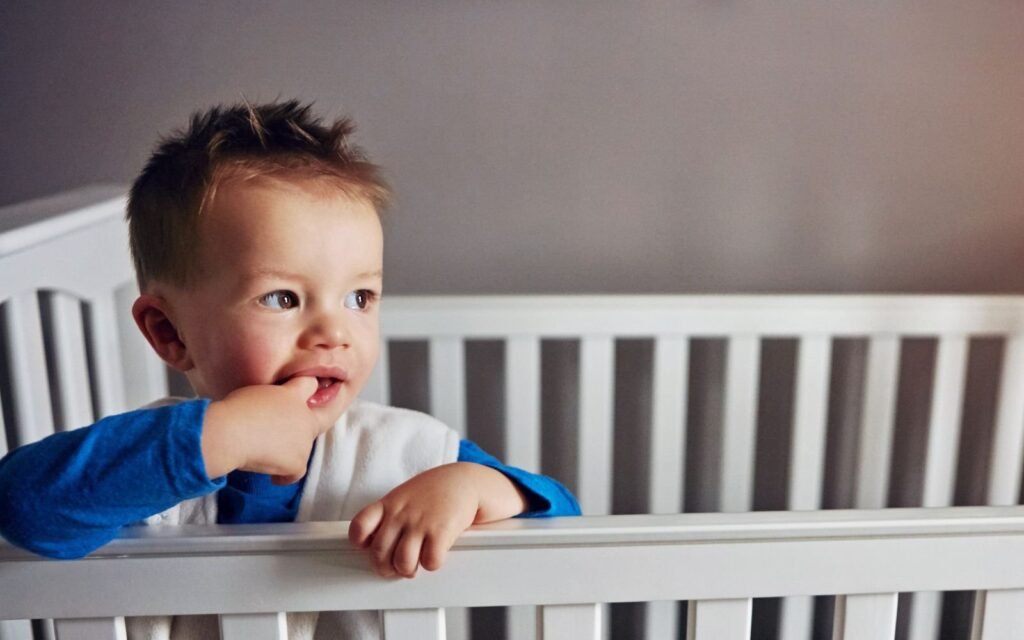
Have you noticed your baby waking up more often at night, even though their routine and feedings have not changed? The bassinet itself might be the culprit.
As babies grow, they start moving more in their sleep. A baby bumping their arms or legs against the walls of a small bassinet can startle themselves awake. If nighttime sleep has been disrupted without an obvious reason, the bassinet may simply be too small for comfortable rest.
5. They Look Uncomfortable or Restless
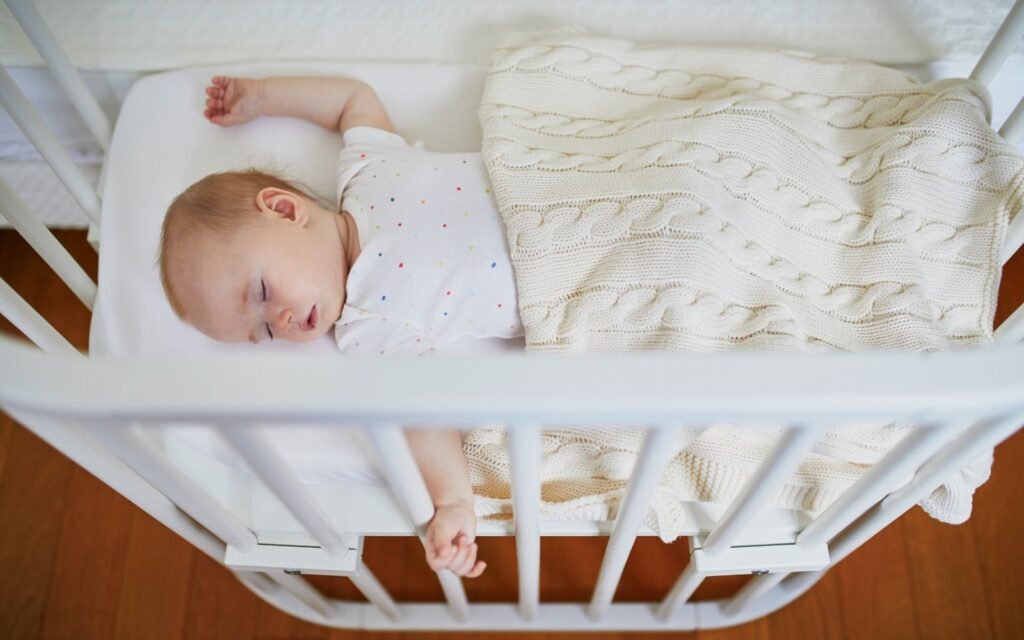
Beyond just waking up, watch how your baby settles inside the bassinet. Are they squirming constantly? Do they seem unsettled even after you lay them down carefully?
Discomfort can come from being in a space that feels too tight or too restrictive for a growing body. A baby who consistently struggles to settle in their bassinet is sending a clear message that they are ready for more room.
What Comes Next After the Bassinet?-When Does Baby Outgrow Bassinet
Once your baby has outgrown the bassinet, there are a few good options depending on your space, budget, and parenting style.
- A full-size crib is the most common next step. Cribs offer much more room, higher sides for safety, and typically last until your toddler is ready for a big-kid bed.
- A Pack ‘n Play is a flexible and budget-friendly choice, especially for families with smaller bedrooms or who travel often. Many models meet safe sleep guidelines and can work well as a primary sleep space.
- A toddler floor bed is an option that some families love, especially those who follow a Montessori-inspired approach. Floor beds remove the risk of falls and give growing babies more freedom of movement. If this sounds interesting, our detailed guide on the pros and cons of toddler floor beds is worth a read before you decide.
Whatever you choose, make sure the sleep surface is flat, firm, and free from loose bedding, pillows, bumpers, or toys.
Tips to Make the Transition Smooth

Moving your baby out of the bassinet does not have to be stressful. Here are a few simple tips to help things go as smoothly as possible.
- Start with daytime naps. Let your baby nap in the new sleep space during the day before you attempt a full night there. This gives them a chance to get comfortable without the pressure of bedtime.
- Keep the sleep routine the same. Babies thrive on consistency. If your routine involves a bath, a feeding, and a lullaby before bed, keep that exact routine going in the new space. The routine signals sleep time, no matter where the baby is resting.
- Use familiar smells. Place a piece of clothing that smells like you near — but not inside — the new sleep surface. A familiar scent can be very comforting to a young baby adjusting to something new.
- Bring familiar sounds along. If you have been using white noise or a sound machine, keep using it in the new space. Consistent background sound can help bridge the transition.
- Be patient. Some babies adapt in a day or two. Others take a full week or more. That is completely normal. Stay consistent, trust the process, and give your baby time to settle in.
Frequently Asked Questions
What if my baby outgrows the bassinet before 3 months?
Some babies grow quickly and hit the weight or size limits earlier than expected. If your baby shows any of the signs above before the typical three-to-six-month window, it is perfectly safe and appropriate to move them out earlier. Safety always comes first, regardless of age.
Can a 6-month-old still use a bassinet?
It depends on your specific bassinet and your baby’s development. If your baby has not started rolling, is still within the weight limit, and fits comfortably without being cramped, some bassinets can still be used at six months. However, most babies are ready for a crib by this age, so it is worth evaluating carefully.
Is it safe to keep using a bassinet after the weight limit?
No. The weight limit is a safety guideline, not a rough estimate. Using a bassinet beyond its recommended limit can cause the structure to fail, creating a serious risk for your baby. If your baby has hit the limit, transition immediately — do not wait.
How long does the transition from bassinet to crib usually take?
Most babies adjust within three to seven days when the transition is handled consistently. Starting with daytime naps first and keeping the sleep routine the same makes the process go much faster for most families.
Final Thoughts
Knowing when your baby outgrows the bassinet is really about paying attention to your baby, not just watching the calendar. Watch for the five signs — weight limit, cramped space, rolling, frequent waking, and visible discomfort — and you will know exactly when the time has come.
The transition might feel like a big deal in the moment, but most babies settle into their new sleep space faster than parents expect. Stay consistent, keep the bedtime routine familiar, and your baby will adapt smoothly.
Looking for more help with baby sleep setups? Check out our guide on the best toddler floor beds for when your little one is ready for the next stage.