How to Soothe Teething Pain in Babies: 8 Gentle Remedies That Work

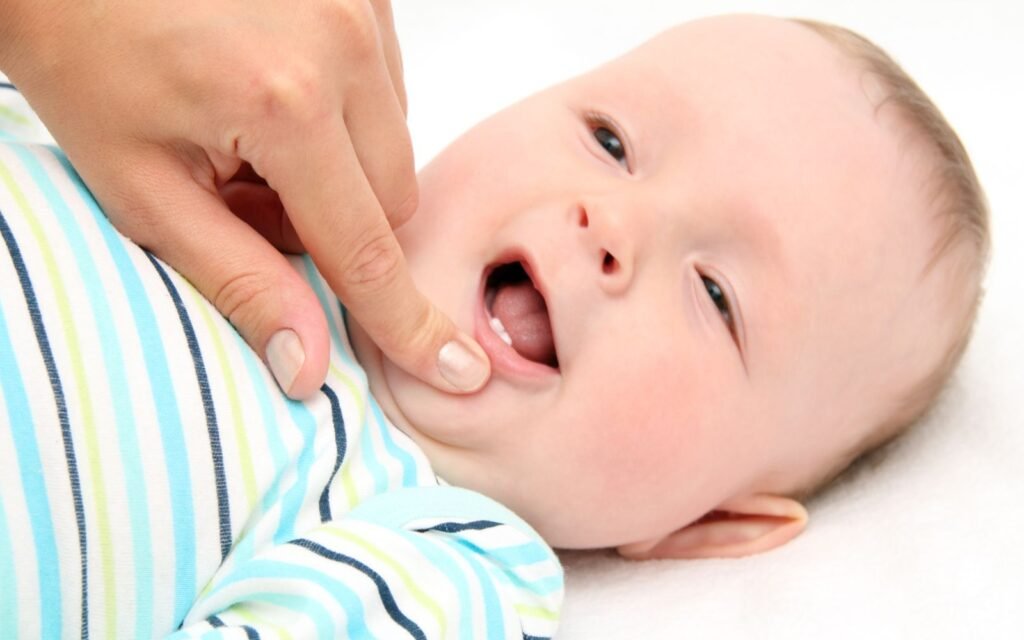
How to Soothe Teething Pain in Babies is one of the most common questions parents ask when their little one starts teething. If you have a teething baby at home, you already know what the days feel like – the endless fussiness, the drool-soaked everything, and those heartbreaking cries that seem to come out of nowhere. Teething is a normal part of your baby’s development, but watching your little one struggle with sore gums can be difficult.
The good news is that you don’t have to just wait it out. There are safe, proven ways to ease teething discomfort and help your baby feel better. This guide covers eight gentle remedies that actually work -no guesswork, no risky products, just real relief.
When Does Teething Start? (And What to Expect)
Most babies begin teething somewhere between 4 and 7 months of age, though some start a little earlier or later. The first teeth to appear are usually the two bottom front teeth, followed closely by the top front teeth.
Teething continues for a couple of years -the last molars typically arrive between ages 2 and 3. That does not mean your baby will be in pain the whole time. The worst discomfort usually happens in the few days just before a new tooth breaks through the gum surface.
Signs Your Baby Is Teething – How to Soothe Teething Pain in Babies
It can be tricky to tell if your baby is teething or dealing with something else entirely. Here are the most common signs to watch for.
Common Teething Symptoms
- Increased drooling — One of the earliest and most obvious signs of teething
- Swollen or tender gums — Look for slight redness or puffiness along the gum line
- Chewing on everything — Hands, toys, your fingers — anything within reach
- Irritability and fussiness — Especially noticeable in the evenings
- Trouble sleeping — Teething discomfort can disrupt naps and nighttime sleep
- Refusing food — Sucking on a bottle or breast can make gum pressure worse
Signs That Are Not Related to Teething
Here is something every parent should know: teething does not cause high fever, diarrhea, or severe congestion.
If your baby has a temperature above 100.4°F (38°C) or other worrying symptoms, check with your pediatrician.
Teething often overlaps with the age when babies start picking up their first illnesses, which makes it easy to confuse the two.
8 Safe Ways to Soothe Teething Pain in Babies
1. Chill a Teething Ring — But Never Freeze It
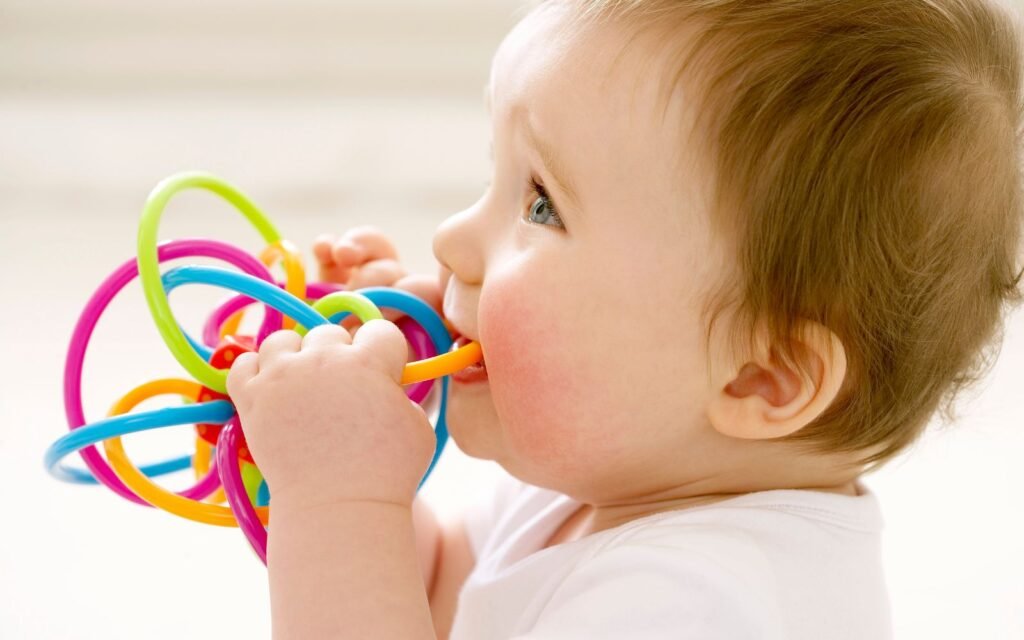
A cold teething ring is one of the simplest and most effective tools you have. The cool temperature numbs the gum area gently and helps reduce swelling. Place a teething ring in the refrigerator for 20 to 30 minutes before handing it to your baby.
Important: Never freeze a teething ring solid. Frozen rings become too hard and can actually damage your baby’s sensitive gums.
2. Massage the Gums With a Clean Finger
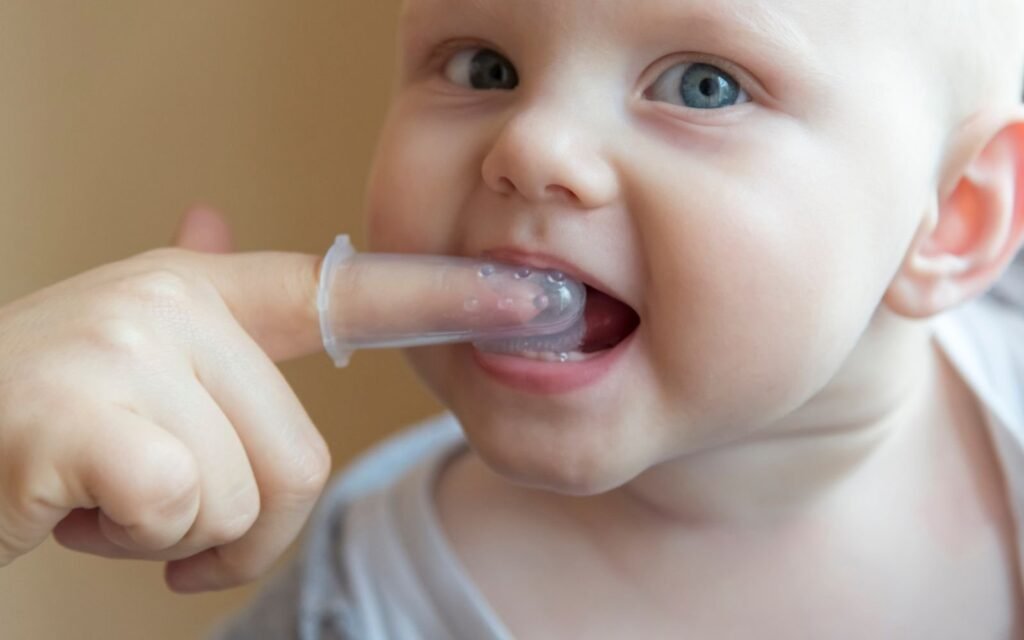
Gentle pressure on the gums can bring real comfort to a teething baby. Wash your hands thoroughly, then use one fingertip to apply light, circular pressure directly on the sore gum area. Many babies find this calming almost immediately, and it costs absolutely nothing.
3. Use a Cold Damp Washcloth
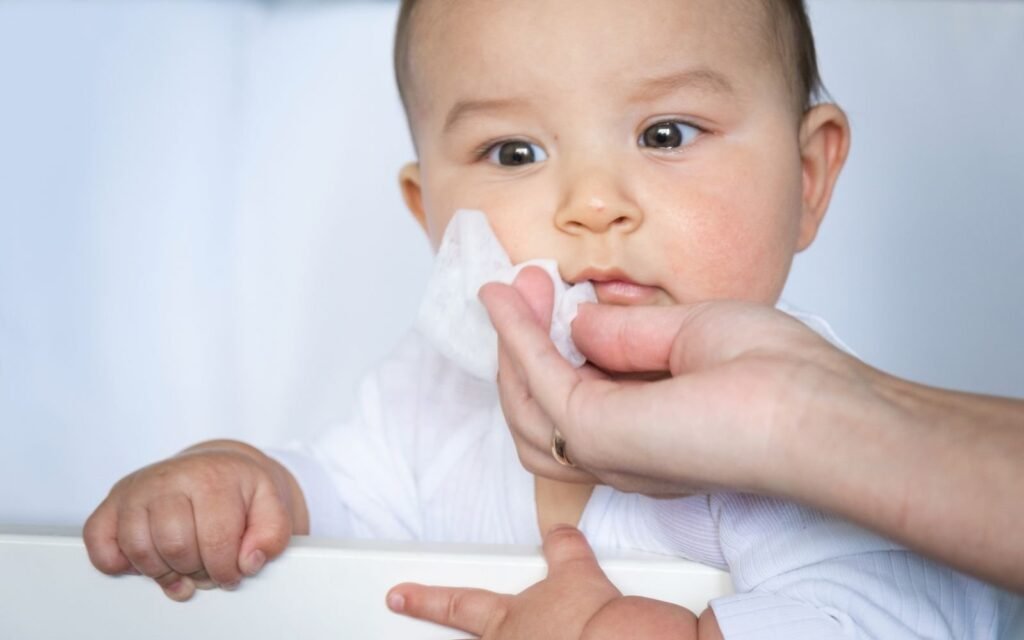
If you do not have a teething ring handy, a wet washcloth is a great backup. Dampen a clean cloth, twist it up, and pop it in the fridge for a few minutes. Let your baby chew on the cool fabric for quick, easy relief.
This is one of the most budget-friendly options around -and it works surprisingly well.
4. Try Silicone Teething Toys
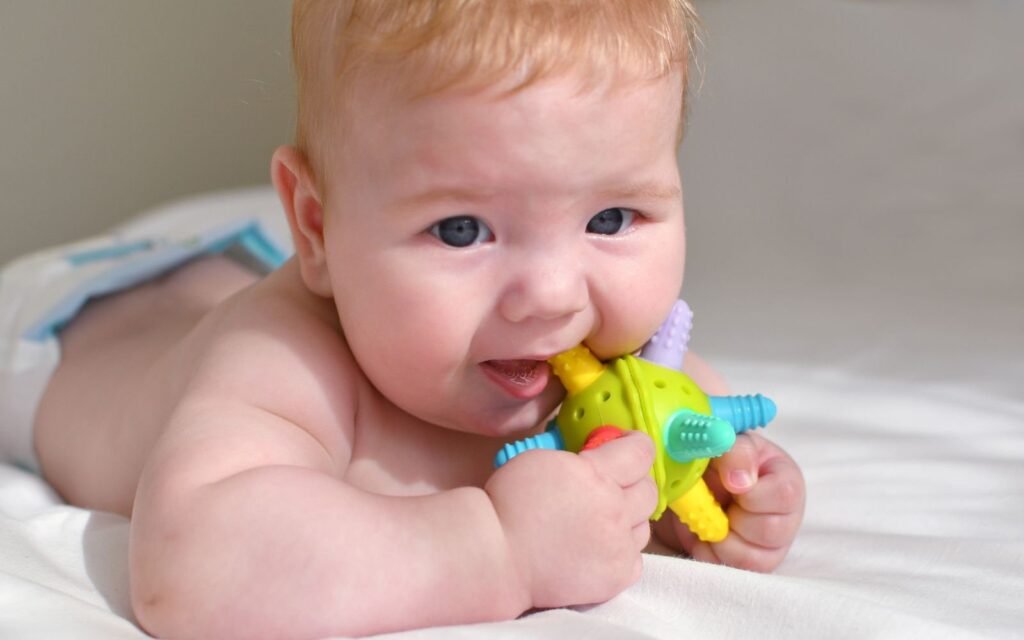
Silicone teething toys are designed specifically for teething comfort. They are soft enough to protect the gums but firm enough to give babies the counter-pressure they are craving. Look for BPA-free options with textured bumps and ridges -those surfaces help massage gum tissue while your baby chews.
Check the toy regularly for any cracks or tears and replace it if it starts to wear down.
5. Offer Cold Foods (For Babies on Solids)

If your baby has already started solid foods, cold purees can do double duty -feeding your baby and soothing their gums at the same time.
Try chilled applesauce, cold yogurt, or cucumber sticks for older babies. Some parents use a mesh feeder filled with frozen fruit for babies over 6 months -just stay close and supervise the whole time.
6. Extra Cuddles and Distraction

Sometimes the most powerful remedy is not a product at all. When your baby is in pain, closeness and comfort genuinely help.
Hold them, rock them, sing a silly song, or go for a walk outside. Distraction works surprisingly well for short bursts of fussiness.
Baby carriers are especially handy here — wearing your baby while you move around gives them warmth, motion, and closeness all in one.
If you need a baby carrier recommendation, check out our guide on whether baby carriers are safe for newborns.
7. Over-the-Counter Pain Relief When Needed

If your baby is truly miserable and nothing else is helping, ask your pediatrician about using infant acetaminophen (such as Tylenol) or ibuprofen for babies 6 months and older. These are safe when used correctly and can make a real difference on the hardest nights.
Always follow the dosing instructions based on your baby’s current weight -not their age.
8. Protect the Skin From Drool Rash
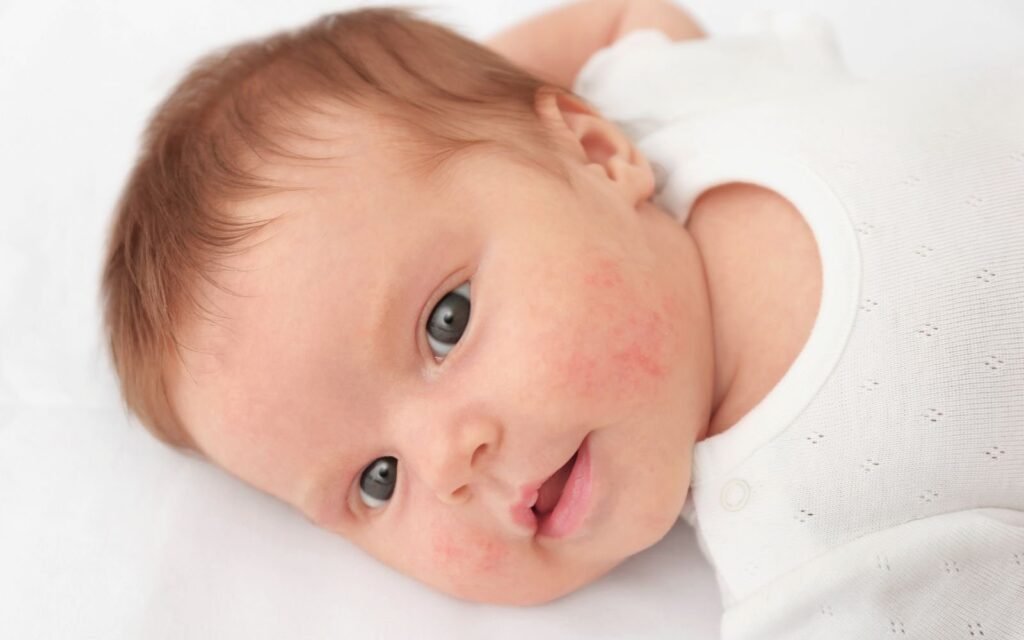
Heavy drooling during teething can irritate the skin around your baby’s mouth, chin, and neck -this is called drool rash. It is not dangerous, but it can add an extra layer of discomfort on top of an already rough time.
Keep the area dry by gently patting it throughout the day. Apply a thin layer of baby-safe moisturizer or plain petroleum jelly to create a gentle protective barrier against the moisture. Avoid using harsh wipes on irritated skin.
What to Avoid When Treating Teething Pain
Some well-known teething “remedies” are not as safe as they sound. Here is what to skip entirely:
- Teething gels with benzocaine: The FDA warns against using benzocaine products on children under 2. They can cause a rare but serious blood condition called methemoglobinemia.
- Amber teething necklaces: These pose real choking and strangulation hazards. The American Academy of Pediatrics advises against them completely.
- Frozen solid teething rings: Too hard for delicate baby gums — stick to refrigerated only.
- Rubbing alcohol on the gums: Dangerous for infants and completely ineffective.
Stick to the eight remedies listed above. They are safe, widely recommended, and genuinely effective.
When to Call the Doctor
Teething is uncomfortable, but it should not make your baby seriously ill. Contact your pediatrician if your baby shows any of the following:
- A fever above 100.4°F (38°C)
- Diarrhea or vomiting
- A rash that spreads beyond the chin or drool area
- Difficulty breathing or swallowing
- No first tooth by 18 months of age
These are signs that something else may be going on — and it is always better to check than to wonder.
FAQ: Teething Questions Parents Ask Most
How long does teething pain last?
The worst discomfort usually lasts just a few days — right before and after a new tooth pushes through the gum. Once the tooth is fully out, the pain fades quickly.
Can teething cause a fever?
Teething may cause a very slight temperature increase (under 100.4°F), but it does not cause a true fever. If your baby has a high fever, look for another cause and get in touch with your doctor.
Is it safe to use teething gels?
Most over-the-counter teething gels are not recommended for babies under 2. Products containing benzocaine or lidocaine carry known risks for infants. If you want to try a natural alternative, always check with your pediatrician before using it.
What is the best teething toy for a 4-month-old?
For younger babies, soft silicone teething toys or chilled rubber rings work best. Look for options with multiple textures and a size that is easy for little hands to grip and hold.
Teething is one of those parenting challenges that feels like it will never end while you’re in the middle of it -but it does pass. With the right remedies and a little extra patience, you can help your baby get through each new tooth with a lot less stress for both of you.
Looking for more ways to support your baby’s health and comfort? Check out our guides on the best baby probiotics and how to use a humidifier for your baby.