Tummy Time Activities for Babies: A Gentle Guide

8 mins read
Tummy time activities are one of the simplest, most powerful things you can do to help your baby grow stronger, and you can start the very day you bring your newborn home. Placing your awake, supervised baby on their belly builds the neck, shoulder, back, and core muscles they need to lift their head, roll, sit, and eventually crawl. The American Academy of Pediatrics (AAP) recommends beginning with short sessions of just 3 to 5 minutes, two or three times a day, and building up as your baby gets stronger. In this guide I’ll walk you through why it matters, how much your baby needs at each stage, and gentle tummy time activities that make it feel like play instead of a chore.
I’m Abdur Razzak, and like a lot of parents, I worried the first time my daughter fussed on her belly. What helped was realizing that a little bit, often, beats one long stretch. This is general information for healthy babies, not medical advice, so please check with your pediatrician about your own child’s needs.
Key Takeaways
- Start early: The AAP says you can begin tummy time the day your baby comes home from the hospital.
- Go short and frequent: Begin with 3 to 5 minutes, two to three times daily, and work up to 15 to 30 minutes a day by around 7 weeks.
- Aim higher as they grow: The World Health Organization recommends at least 30 minutes of prone (tummy) play spread across the day for babies not yet moving on their own.
- It protects and develops: Tummy time activities support gross motor skills and help prevent flat spots on the back of the head.
- Always supervise: Tummy time is for awake, watched playtime only—never for sleep.

What Is Tummy Time and Why Does It Matter?
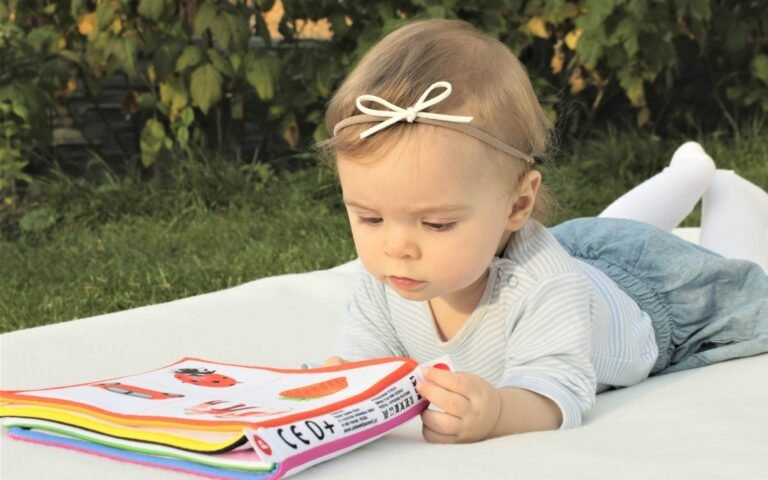
Tummy time simply means placing your baby on their stomach while they are awake and closely supervised. Because babies now sleep on their backs to lower the risk of SIDS, they spend far less time on their bellies than babies did decades ago—which makes intentional belly play more important than ever.
The payoff is real. A 2020 systematic review published in Pediatrics, drawing on 16 studies and 4,237 infants across 8 countries, found that more tummy time was positively associated with stronger gross motor development, healthier weight, and prevention of a flattened head shape. In plain terms, the muscles your baby builds face-down are the same ones they’ll use to push up, roll over, and crawl.
There’s a protective side too. After the “Back to Sleep” campaign began in 1992, SIDS rates dropped dramatically—by roughly 40% according to peer-reviewed research—but cases of positional plagiocephaly, or flat head, rose sharply. Supervised belly play during waking hours is one of the main ways pediatricians suggest keeping a baby’s head round while those strong SIDS-prevention sleep habits stay in place. If you’re also exploring other ways to help your little one move and discover, our guide to sensory play activities for babies pairs nicely with tummy time.
How Much Tummy Time Does a Baby Need by Age?
The right amount grows with your baby. Here’s a stage-by-stage feel for it, keeping the AAP’s “little and often” approach in mind.
Newborn to 6 weeks
Start with 3 to 5 minutes, two or three times a day, as the AAP advises. Newborns tire quickly, so a couple of minutes after a diaper change or a nap is plenty. Chest-to-chest time counts—lying your baby on your reclined chest is often the gentlest first step.
Around 7 weeks to 3 months
By about 7 weeks, aim to work up toward 15 to 30 minutes of tummy time across the whole day, per AAP guidance. You’ll likely notice your baby starting to lift and turn their head—an early strength milestone worth celebrating.
4 to 7 months and beyond
As babies approach the half-year mark, the WHO’s target of at least 30 minutes of prone play daily becomes very doable, because most babies now enjoy the view. The WHO also advises not keeping babies restrained—in swings, bouncers, or car seats—for more than an hour at a time, which naturally frees up floor time for movement.
Easy Tummy Time Activities to Make It Fun
The secret to happy tummy time activities is engagement: give your baby a reason to lift that head. These are the ones that worked in our house.
Get down on their level
Lie on the floor facing your baby and talk, sing, or make faces. Your face is the most fascinating thing in their world, and reaching for it encourages them to push up. This face-to-face play also supports early bonding and communication.
Use a mirror and high-contrast toys
Prop a baby-safe mirror in front of them, or set a black-and-white book nearby. Newborn vision responds strongly to high contrast, so these small props can turn a fussy minute into a curious one.
Try a rolled towel or nursing pillow
Slipping a small rolled towel under the chest and armpits gives a bit of lift, making it easier for younger babies to see around. Keep arms forward and always stay within arm’s reach.
Move tummy time around
Belly play doesn’t have to happen on a mat. Do it across your lap, on your chest, or during a gentle massage. Rotating positions keeps things fresh and encourages your baby to turn their head both ways, which further helps head shape. As your baby grows into a mover, these habits flow naturally into encouraging independent play and later into safe outdoor play ideas for toddlers.
What If My Baby Hates Tummy Time?
Almost every baby protests at first—mine did. The fix is usually shorter, more frequent sessions rather than pushing through tears. Try it when your baby is well-rested and not hungry, right after a diaper change. Start with 30 seconds and build up; even brief bursts add up across the day toward that 15-to-30-minute goal the AAP describes.
Chest-to-chest tummy time is a wonderful bridge for babies who resist the floor, and it still builds neck and back strength. If your baby consistently seems uncomfortable, strongly favors turning the head one way, or isn’t lifting the head by around 3 to 4 months, mention it at your next visit.
Safety First: When to Call Your Pediatrician
Tummy time is always for awake, supervised play—never for sleep. The AAP’s safe-sleep guidance is clear: babies should always be placed on their backs to sleep, on a firm, flat surface with nothing else in the crib. If your baby falls asleep during belly play, move them to their back on a safe sleep surface.
Reach out to your pediatrician if you notice a persistent flat spot, a strong head-turning preference, unusual stiffness or floppiness, or if you have any concerns about your baby’s movement and milestones. Every baby develops at their own pace, and your pediatrician is your best partner for questions specific to your child.
Summary
Tummy time activities are a small daily habit with a big developmental payoff. Start the day you come home with 3 to 5 minutes a few times a day, build toward 15 to 30 minutes by about 7 weeks, and aim for at least 30 minutes of prone play daily as recommended by the WHO once your baby is a bit older. Keep it playful with face-to-face time, mirrors, high-contrast toys, and varied positions—and always supervise. Do this consistently, and you’re helping your baby build the strength for rolling, sitting, and crawling while protecting that adorable round head. When in doubt about your own baby, your pediatrician is the right call.
Frequently Asked Questions
When can I start tummy time with my newborn?
You can start the day your baby comes home from the hospital, according to the AAP. Begin with just 3 to 5 minutes, two or three times a day, and keep it supervised. Chest-to-chest time is a gentle way to introduce it for very young newborns.
How long should tummy time be each day?
Work up to about 15 to 30 minutes a day by around 7 weeks, per AAP guidance, spreading it across several short sessions. As your baby gets older, the World Health Organization recommends at least 30 minutes of prone play daily. Frequent short bursts are easier and just as effective as one long stretch.
Is tummy time safe if my baby has reflux?
Many babies do fine with short tummy time between feedings rather than right after eating. Because reflux varies from baby to baby, ask your pediatrician for guidance tailored to your child before adjusting the routine.
Does tummy time really prevent flat head?
Research links regular supervised tummy time with a lower chance of flat spots, because it takes pressure off the back of the head and builds neck strength. It works alongside—not instead of—always placing your baby on their back to sleep, which remains essential for reducing SIDS risk.
What if my baby cries every time?
Start smaller and more often, choose a moment when your baby is rested and not hungry, and get down on the floor to engage face-to-face. Most babies tolerate tummy time better within a few weeks as their strength grows. If distress seems constant, check in with your pediatrician.






One Comment