Paced Bottle Feeding: A Calm, Step-by-Step Guide for Parents

7 mins read
Paced bottle feeding is a way of offering a bottle that lets your baby set the speed, with small pauses and a gently tilted bottle instead of a steady, fast flow. I started using it when my own little one gulped bottles so quickly that every feed ended in coughing and tears, and it made our feeding times far calmer. Here is how I do it, in plain parent-to-parent terms.
Everything I describe is general, everyday feeding practice. It is not medical advice, and your pediatrician is the right person to ask about your baby’s growth, feeding amounts, or any worry about how your baby eats.
Key Takeaways
- Paced bottle feeding means following your baby’s lead: small breaks, a tilted bottle, and stopping when baby shows fullness.
- The CDC advises positioning the bottle at an angle so milk only comes out when your baby sucks.
- Hold your baby close, never prop the bottle, and do not push your baby to finish what is left.
- Calm timing and a patient caregiver matter as much as any special bottle or nipple.
- Check with your pediatrician about amounts, growth, or any feeding concerns.
What Is Paced Bottle Feeding?
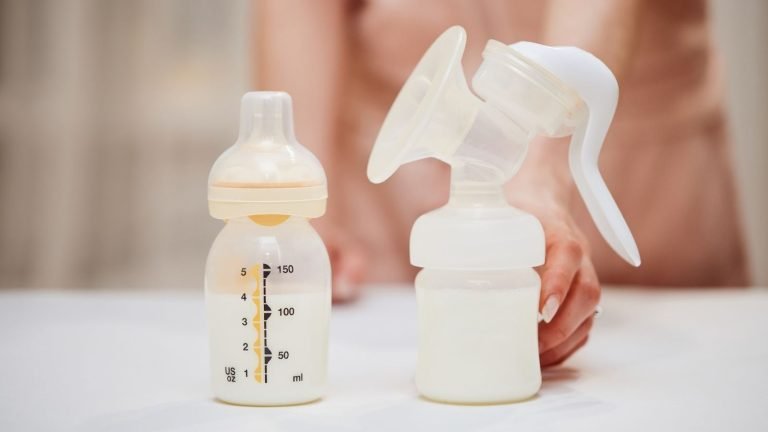
Think of the way a breastfed baby eats: sucking, pausing, resting, then sucking again. Paced bottle feeding tries to bring that same rhythm to the bottle. Instead of laying your baby back with the bottle pointing straight up, you keep the bottle closer to level so your baby has to suck to get milk, and you pause often.
It works with breast milk or infant formula alike. The CDC guidance on bottle feeding says to give your baby only breast milk or infant formula in a bottle, and that is the only thing I ever put in ours.
Why Does the Pace Matter?
A bottle held high lets milk flow quickly, whether or not baby is ready. When I slowed things down, I noticed my baby had time to notice that she was full. The CDC says to watch your baby for cues that they are full and then stop, even if the bottle is not empty.
It also gave us more cuddle time. A slower feed felt less like a chore and more like a little quiet moment between us, which I came to treasure during busy days.
How Do You Do Paced Bottle Feeding Step by Step?
1. Pick a calm moment
I try to start before my baby is frantic. A very hungry baby tends to gulp, so I watch for early hunger signs and begin the feed while things are still peaceful. Dim the lights, turn off the TV, and settle into a comfortable chair.
2. Hold your baby close and fairly upright
The CDC says to hold your baby close when you feed them a bottle. I keep my baby’s head supported and her body in a sitting-up position in my arm, so she can swallow comfortably and I can see her face. If your baby has trouble with spit-up, our guide to baby reflux and spit-up covers what parents commonly see.
3. Tilt the bottle, do not point it straight up
The CDC advises positioning the bottle at an angle rather than straight up and down so the milk only comes out when your baby sucks. I keep the bottle roughly level with the floor, with just enough tilt that the nipple stays filled with milk.
4. Start small and let baby ask for more
The CDC suggests starting with a small amount and offering more if your baby shows signs of hunger. I follow that by preparing a modest bottle and topping up only if she is still searching for more.
5. Take breaks
Every several sucks, or whenever my baby slows down, I lower the bottle so the nipple rests on her lower lip without milk flowing. The CDC says to let your baby take breaks from drinking when they seem to want them, and this is exactly what those pauses are for. Many parents like to use the break for a gentle burp; see how to burp a baby for ideas.
6. Stop when baby says she is done
Turning her head, pushing the nipple out, or relaxing her hands are my cues. The CDC advises not forcing your baby to finish the bottle if she is showing signs of fullness, because it can lead to eating more than needed. Leftover milk is a small price for a baby who feels listened to.
What Should You Avoid During Bottle Feeds?
A few simple habits keep feeds safer and more comfortable. These come straight from the CDC bottle feeding page:
- Do not prop the bottle or leave it in your baby’s mouth. The CDC notes this can increase the risk of choking, ear infections, and tooth decay.
- Do not put cereal or food in the bottle. The CDC says it will not make babies sleep longer and could increase choking risk.
- Do not put your baby to bed with a bottle, since milk can pool around the teeth and cause tooth decay, according to the CDC.
Clean supplies matter too. The CDC calls keeping bottles and feeding supplies clean very important for preventing germs. Our step-by-step post on how to clean a baby bottle walks through a simple routine.
Does the Bottle or Nipple Make a Difference?
I do not think you need anything fancy. Many parents like a slower-flow nipple for younger babies, and it can pair nicely with the paced approach, but pacing is mostly about your technique and patience. If you are comparing styles, see our overview of different types of baby bottles and the post on choosing the right baby bottle size.
If your baby still coughs, chokes, or seems to struggle with every feed, please talk with your pediatrician rather than trying to solve it alone.
Tips for Sharing Paced Feeding With Other Caregivers
Grandparents, partners, and daycare staff may be used to a faster style. I found it helped to explain the idea in one sentence: we hold baby close, tilt the bottle, take breaks, and stop when baby is full. Showing them once in person worked better than any written instructions.
It is also worth sharing the safety basics above, especially never propping the bottle. A gentle, friendly tone goes a long way, and most caregivers are glad to learn something new for the baby they love.
Summary
Paced bottle feeding is a calm, responsive way to give a bottle: hold your baby close, tilt the bottle so milk flows only when baby sucks, take breaks, and stop at the first signs of fullness. Skip propping, never add cereal, and avoid bedtime bottles. Every baby is different, so lean on your pediatrician for personal guidance.
Frequently Asked Questions
Can I use paced bottle feeding with formula?
Yes. The approach is about how you hold the bottle and read your baby’s cues, so it works with breast milk or infant formula. Ask your pediatrician about how much your baby needs.
How long should a paced bottle feed take?
There is no single right time. I let my baby’s pauses and fullness cues guide the length of the feed rather than a clock. If you are unsure whether your baby is eating enough, your pediatrician can help.
What if my baby gets fussy when I pause?
That happens to many babies at first. Keep the pauses short, stay calm, and resume as soon as baby roots or sucks again. If fussiness continues, mention it to your pediatrician.
Should I make my baby finish the bottle?
No. The CDC advises stopping when your baby shows signs of fullness, even if the bottle is not empty, and not forcing your baby to finish.
Is it okay to prop the bottle if I need both hands?
The CDC says not to prop the bottle or leave it in your baby’s mouth because of choking, ear infection, and tooth decay risks. Hold your baby for every feed, and ask a partner or helper to take over if you need a break.
For the full guidance I referenced, read the CDC’s About Feeding From a Bottle page, and check in with your pediatrician about your own baby.