Baby Acne: What’s Normal and How to Care for It

8 mins read
Baby acne is one of the most common newborn skin surprises, and the short answer is reassuring: it is usually harmless, temporary, and clears up on its own. When my own little one woke up one morning with red bumps across both cheeks, I did what every new parent does and searched the internet at 3 a.m. This guide shares what I learned from trusted medical sources, in plain parent-to-parent language.
Key Takeaways
- Baby acne is common and typically appears around 2 to 4 weeks after birth, mostly on the face and neck.
- It often clears without treatment and without scarring, so gentle care is usually all a baby needs.
- Warm water and a soft pat dry are the basics; avoid scrubbing, squeezing, lotions, and oils.
- Check with your pediatrician before using any product on baby acne, and call if the skin looks blistered, infected, or your baby seems unwell.
What Is Baby Acne?
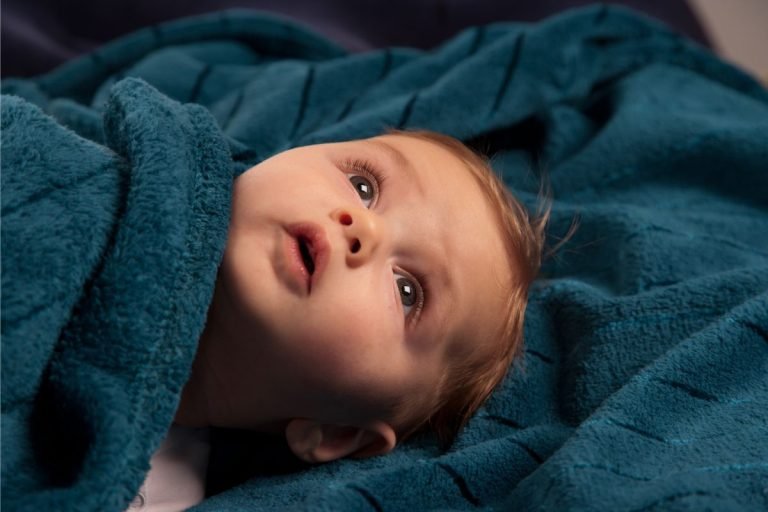
Baby acne, also called neonatal acne, is a temporary skin condition that causes small red or white bumps on a newborn’s skin. According to Mayo Clinic, the bumps show up mainly on the face and neck, though they can also appear on the back and chest.
It looks a lot like the acne teenagers get, but it behaves very differently. Mayo Clinic notes that the condition often clears up on its own, without treatment and without scarring. That is the part I wish someone had told me the first night I spotted it.
How Common Is Baby Acne and When Does It Start?
It is far more common than most new parents realize. The Cleveland Clinic reports that nearly 20% of healthy newborns in the United States, more than 1 in 5, are affected by baby acne. So if your baby has it, you are in very good company.
Timing varies a little. Mayo Clinic says it often appears 2 to 4 weeks after birth, while the Cleveland Clinic notes it can be present at birth or show up before 2 months of age, typically around 2 weeks old. Many parents notice it just as they are getting used to the newborn rhythm, which can feel like one more thing to worry about.
What Causes Baby Acne?
Mayo Clinic explains that baby acne is thought to be caused by hormones the baby was exposed to before birth. The Cleveland Clinic adds that the exact cause is not fully known, but providers suspect hormonal changes, possibly from the placenta or breast milk, that increase oil production and clog pores.
Newborn skin is also very sensitive. The Cleveland Clinic notes it may react to residue such as food, vomit, or drool sitting on the skin. The same source says kisses do not cause baby acne, which is a relief if you have been feeling guilty about all the cuddles.
Is It Baby Acne or Something Else?
Newborns can have several harmless bumps that look alike. Mayo Clinic describes two common look-alikes. Milia are tiny, harmless pimple-like bumps on the face that disappear on their own within a few weeks. Benign cephalic pustulosis is a reaction to yeast on the skin that is sometimes mistaken for baby acne.
I am not a clinician, and you cannot reliably tell these apart from a photo. If you are unsure what you are seeing, your pediatrician can take a quick look and give you a clear answer. Our guides on cradle cap and baby eczema cover other common newborn skin concerns that can look similar at first glance.
How Long Does Baby Acne Last?
For most babies, it does not last long. The Cleveland Clinic says baby acne usually resolves within a few days to a couple of weeks without treatment, though in some cases it can take up to a month. Every baby is different, so please do not compare timelines with a friend’s baby.
It may even look a little worse before it looks better, especially when your baby is fussy or warm. That flare-up pattern is very normal, but it is still worth mentioning at your next well-baby visit.
How Do I Care for Baby Acne at Home?
The good news is that care is simple. The Cleveland Clinic recommends washing the skin gently with warm water and then patting it dry. Cleaning up spit-up, food residue, or drool promptly also helps keep the area comfortable.
Here is the routine I followed, and the one I would suggest as a starting point:
- Wash your baby’s face once a day with plain warm water during bath or diaper time, then pat dry with a soft cloth.
- Wipe away milk, drool, or spit-up soon after it happens so it does not linger on the cheeks and neck.
- Wash the fabrics that touch your baby’s face, such as burp cloths and bedding, with a gentle, fragrance-free detergent.
- Keep your baby’s nails short so scratching does not irritate the skin, and see our baby nail trimming guide for tips.
If you want a deeper look at keeping that delicate skin happy during bath time, our bathing guide for new parents walks through the basics step by step.
What Should I Avoid With Baby Acne?
This is where most of us are tempted to do too much. The Cleveland Clinic advises avoiding lotions, oils, and greasy or pore-clogging products, along with scrubbing the skin. It also says not to squeeze or pop the pimples.
The same source points out that home remedies can irritate delicate newborn skin, so it recommends checking with your provider before using any product at all. Adult acne treatments are not designed for babies, and I would never reach for one without a doctor’s guidance. Mayo Clinic is also candid that there is little you can do to prevent baby acne, so please do not blame yourself.
When Should I Call the Pediatrician About Baby Acne?
Most baby acne is a cosmetic issue rather than a medical one, but it is always fine to ask. Mayo Clinic advises talking with your baby’s healthcare team if you have any concerns about your baby’s skin.
The Cleveland Clinic lists some specific reasons to check in with a provider:
- The acne does not improve after a few weeks, or it gets worse after a couple of weeks.
- There are blisters, peeling skin, fussiness, fever, or feeding difficulties.
- The acne first appears after 2 months of age, which may point to infantile acne.
A baby with a fever or feeding trouble deserves a prompt call no matter what the skin looks like. This article is for general information only and is not medical advice, so please consult your pediatrician about anything related to your baby’s health.
Summary
Baby acne affects roughly 1 in 5 healthy newborns, usually appears around 2 to 4 weeks of age, and typically fades within days to weeks without treatment or scarring. Gentle warm water, a soft pat dry, and patience are the heart of baby acne care. Skip the lotions, oils, scrubbing, and squeezing, and loop in your pediatrician if the skin looks unusual or your baby seems unwell.
Frequently Asked Questions
Is baby acne dangerous?
Baby acne is generally considered harmless and temporary. Mayo Clinic describes it as common and says it often clears up on its own without scarring. Still, your pediatrician is the right person to confirm that what you are seeing is baby acne and not another skin condition.
Can breast milk cause baby acne?
The Cleveland Clinic says providers suspect hormonal changes, possibly from the placenta or breast milk, may increase oil production and play a role. The exact cause is still unknown, and this is not a reason to change how you feed your baby. Talk with your pediatrician if you have feeding questions.
Should I put lotion or oil on baby acne?
The Cleveland Clinic recommends avoiding lotions, oils, and greasy products on baby acne because they may clog pores or irritate delicate skin. Check with your pediatrician before using any product on your baby’s face.
Can I pop baby acne pimples?
No. The Cleveland Clinic advises against squeezing or popping the pimples. It can irritate your baby’s skin, and gentle washing with warm water is the better approach.
What if my baby’s acne appears after 2 months?
The Cleveland Clinic notes that acne appearing after 2 months of age may indicate infantile acne, which is worth discussing with your child’s provider. Please make an appointment rather than guessing at home.
Does baby acne leave scars?
Mayo Clinic says baby acne often clears without scarring. Avoiding squeezing and scrubbing helps protect your baby’s skin while it heals.